In much of the world, December 25 doesn’t usually host massive electronic music festivals. Culturally, it’s a quieter date, marked by family gatherings and little large-scale entertainment activity. But just a few days later, the global scene shifts into one of its busiest phases of the year: the New Year’s rush. During this period, from Christmas week through New Year’s Eve, clubs, superclubs, and strategic festivals become essential meeting points, drawing tourists, electronic music fans, and crowds eager to celebrate the transition into the new year soundtracked by major artists.
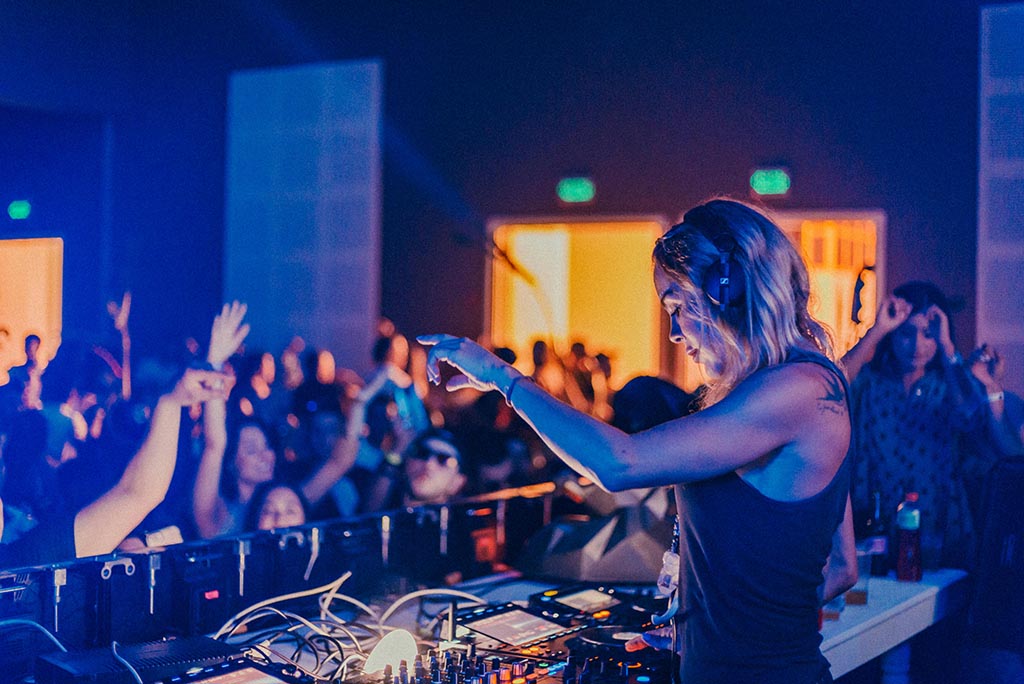
For DJs, this scenario creates a particularly relevant opportunity. The absence of large-scale festivals specifically on the 25th doesn’t weaken the period, in fact, it strengthens it. The demand for DJs rises naturally as tourist destinations, venues, and independent events work to fill their calendars with intense, varied programming. This is where many artists find room to grow, travel internationally, and establish presence in markets where competition is typically much tighter.
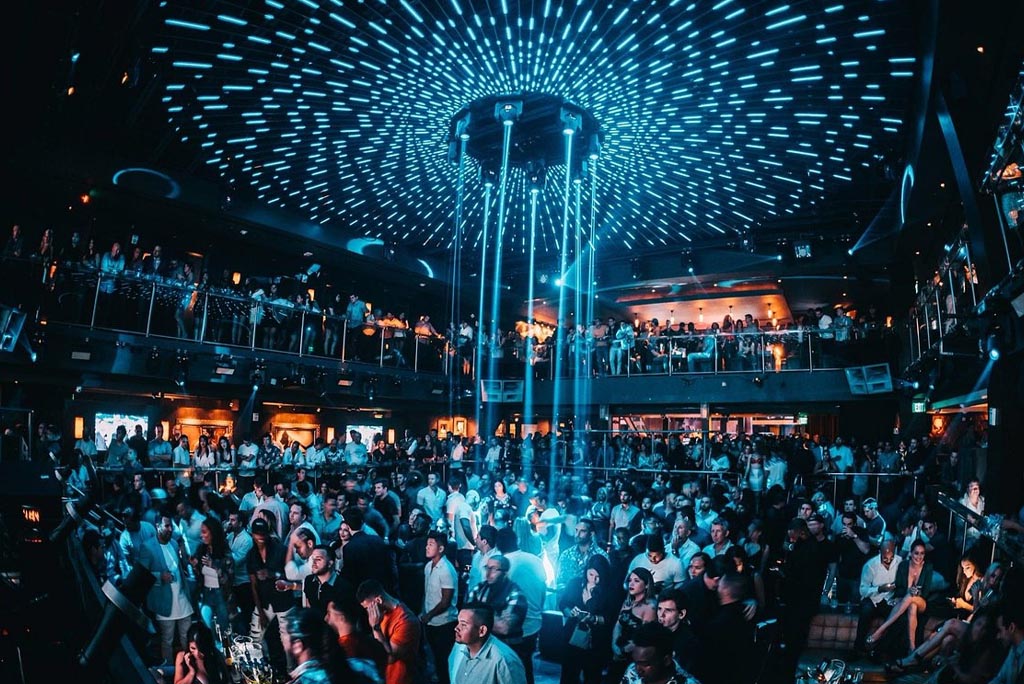
The clearest example of this potential appears in Singapore, where Marquee Singapore transforms December into a high-energy month. The superclub, a major reference point in Asia, holds a sequence of events between December 3 and 31, hosting international headliners such as Galantis and other global names. The venue attracts an international audience and delivers nights that function as high-impact showcases. For emerging women DJs, performing in this environment, whether opening the night or joining special programs, can lead to valuable connections with bookers, agents, and Asian collectives.
In the United States, festivals like Lights All Night in Dallas and HiJinx in Philadelphia take place between December 27 and 31, drawing large crowds and reinforcing the strength of the North American scene during the year-end season.
In Asia, the Sunburn Festival in Mumbai stands out as one of the main events leading into the Christmas period. Held from December 19 to 21, it is one of the largest festivals on the continent and attracts attention from the entire global industry.
In Oceania, the dynamic shifts completely. With summer in full swing, Australia and New Zealand experience one of the most celebrated moments of the festival calendar. Northern Bass and Rhythm and Alps, both held between December 29 and 31, gather audiences eager for new sounds, emerging artists, and immersive experiences.
What connects all these scenarios, Singapore, the United States, India, Australia, and New Zealand, is how late December transforms the world into a network of simultaneous events. Even without major festivals specifically on the 25th, the period surrounding Christmas becomes one of the busiest seasons for artistic circulation. Within this movement, DJs gain more visibility, more access, and more opportunities to be booked by clubs, New Year’s events, parallel showcases, and special nights that take over the global calendar.
In the end, Christmas doesn’t mark a pause for electronic music, it marks a transition. And those who navigate this transition strategically can turn the final week of the year into one of the most important moments of their careers.