Photo: Getty Images
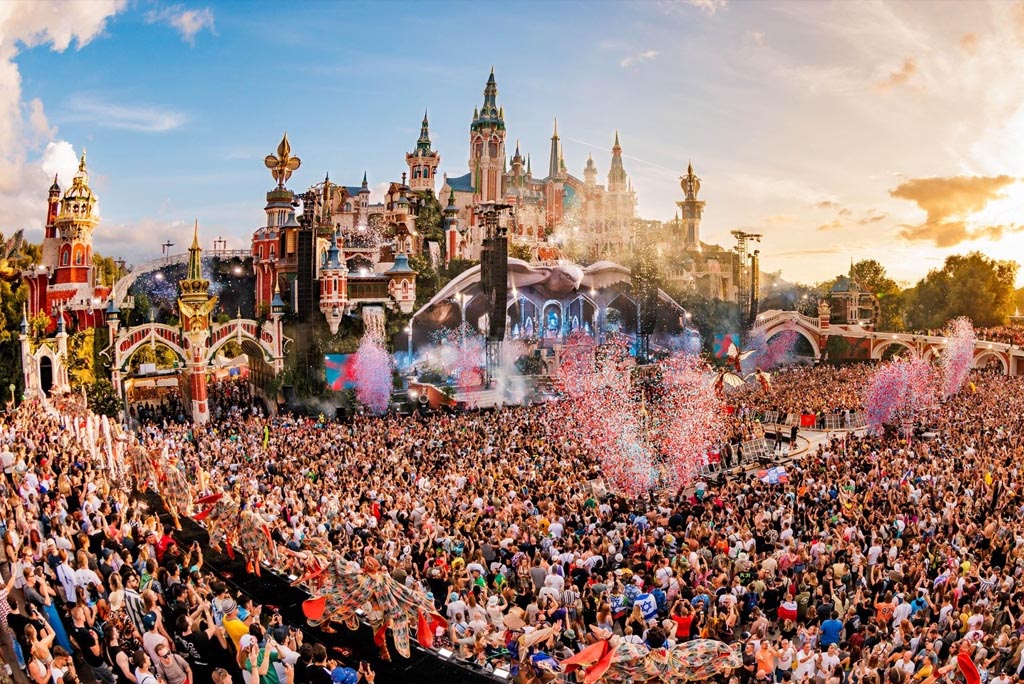
Electronic music is no longer confined to clubs and festivals. In 2025, the genre is expanding across platforms and cultural spaces, driven by new technologies and shifting audience behaviors. According to the Luminate 2025 Midyear Music Report, Dance/Electronic ranks among the top six most-streamed genres in the United States, registering 23.3 billion on-demand audio streams in the first half of the year. These numbers reflect not just a growing fanbase, but a transformation in how and where electronic music is being experienced.
A significant part of this evolution is happening inside the gaming universe. In Canada, fans of electronic music are 38% more likely to engage with gaming compared to the general population. In the U.S., nearly one-third of Gen Z gamers discover new music through video games, positioning games not only as a source of entertainment but also as one of the most effective discovery tools for emerging artists. For DJs and producers, especially those working independently, sync placements and custom soundtrack collaborations are becoming key strategies for exposure.
Another force behind the genre’s momentum is the superfandom economy. Fans of electronic music are 200% more likely to tip artists on community-driven platforms like Discord. This group also shows strong loyalty to physical formats, particularly vinyl, and frequently engages in premium experiences such as exclusive livestreams, early-access releases, and merch drops. These behaviors open direct monetization channels for DJs and producers, especially women, who have historically been underrepresented in mainstream circuits but thrive in niche, high-engagement environments.
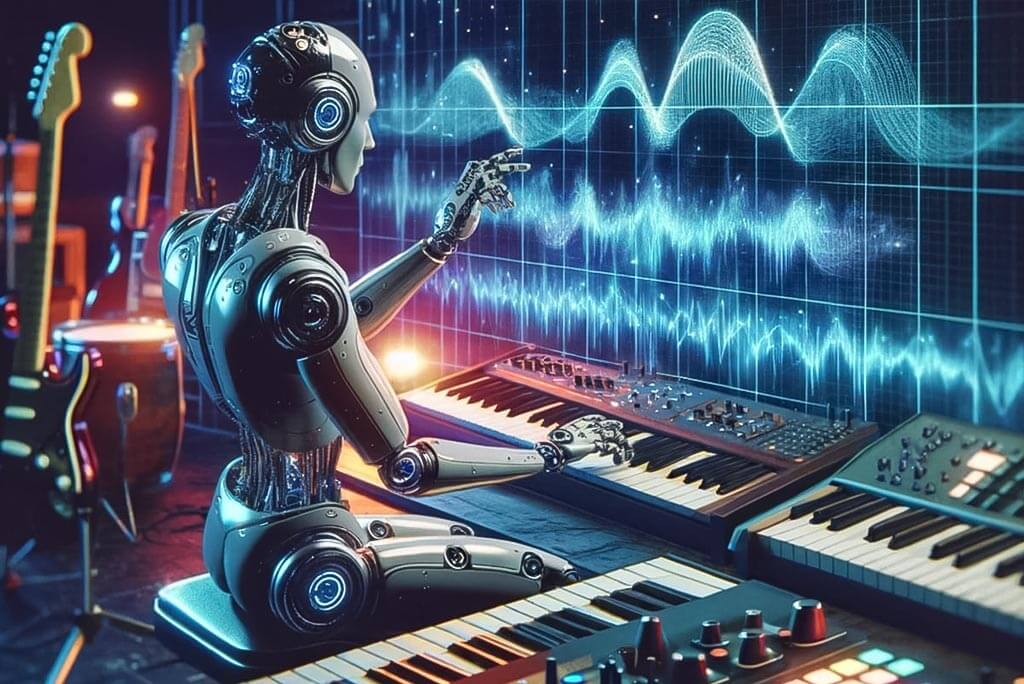
AI is also reshaping the possibilities of electronic music. Among all genres, EDM listeners demonstrate the highest comfort level with AI-generated music. This openness creates fertile ground for experimentation with algorithmic production, live audiovisual synthesis, and generative remixing. As AI tools become more accessible, they offer women producers the chance to reimagine traditional workflows, streamline creativity, and collaborate beyond physical borders.
For female DJs and producers in the U.S., these shifts represent more than trends, they’re strategic entry points. Gaming, AI, and superfandom not only diversify the performance landscape but also decentralize it, allowing artists to bypass conventional gatekeepers and connect directly with audiences. Whether it’s building immersive soundscapes inside a game, releasing exclusive vinyls for superfans, or co-creating tracks with AI, the current landscape offers agency, innovation, and growth.
With Dance/Electronic firmly established as a dominant genre and digital ecosystems expanding in complexity and opportunity, the future of music isn’t just electronic, it’s interactive, intelligent, and increasingly female-led.